Timeless Botanicals: Working with Vintage Hibiscus Flower Digital Paper
In a digital landscape often dominated by sharp vectors and flat design, there is a distinct power in returning to the roots of artistry. The Vintage Hibiscus Flower Digital Paper collection offers more than just a set of backgrounds; it provides a bridge between modern utility and the romanticism of classical botanical illustration. For designers, entrepreneurs, and content creators, these hand-painted watercolor assets represent a sophisticated way to infuse projects with warmth, texture, and an undeniable sense of history.
The Visual Character of Hand-Painted Watercolor
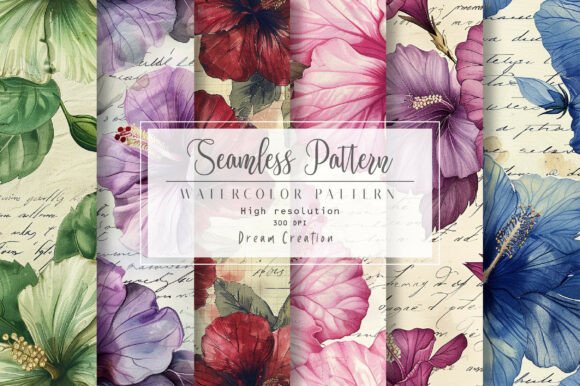
What makes this collection stand out is its commitment to authentic texture. Unlike digitally generated patterns that can feel sterile, this premium font of floral design relies on the organic imperfections of watercolor. The hibiscus flowers are rendered with soft, bleeding edges and rich color saturation that mimics actual pigment on paper. This creates a "living" aesthetic that digital precision often fails to capture.
The visual personality of these papers is defined by a blend of elegance and nostalgia. The inclusion of vintage handwritten script backgrounds adds a layer of storytelling. It suggests that these designs belong on a treasured letter or a page from a naturalist’s journal. The seamless repeating nature of the patterns ensures that while the style is vintage, the application is thoroughly modern. You get the look of editorial design from the 19th century with the scalability required for 21st-century production.
Strategic Applications for Branding and Business
For small business owners and brand strategists, visual identity is about consistency and feeling. The Vintage Hibiscus Flower Digital Paper is a powerful tool for building a brand identity that feels established and trustworthy. Here is how you can leverage these assets across different sectors:
- Packaging and Product Design: In the realm of packaging design, texture sells. Using these patterns as box liners, wrapper backgrounds, or label textures can instantly elevate a physical product. Imagine a artisanal tea brand or a handmade soap company using the seamless patterns to wrap their goods. It communicates quality and care before the customer even opens the package.
- Digital Marketing and Social Media: In the fast-scrolling world of social media graphics, stopping the thumb is essential. The intricate details of the hibiscus blooms provide a perfect backdrop for text overlays. Because the patterns are high-resolution (300 DPI), they look crisp on Retina screens and mobile devices alike. They serve as excellent design assets for Instagram stories, Pinterest pins, and Facebook headers.
- Stationery and POD: For those utilizing Print on Demand (POD) services, these files are ready to go. The 12x12 inch, 300 DPI specifications make them ideal for scrapbooking papers, greeting cards, and journal covers. The "seamless" feature allows you to scale them up for larger items like tote bags or throw pillows without worrying about visible tiling lines.
Design Principles: Pairing and Hierarchy
Using a highly decorative background requires a thoughtful approach to typography. The Vintage Hibiscus Flower Digital Paper is busy by nature, meaning your text must work hard to be legible. This is where understanding visual hierarchy becomes crucial.
When overlaying text on these botanical patterns, avoid using a script font or handwritten font for body copy. The competing textures will make the text unreadable. Instead, pair the floral background with a clean sans serif font. A geometric sans serif provides a modern contrast to the vintage floral elements, grounding the design and ensuring readability.
If you need a header that matches the vintage vibe, consider a sturdy serif font. Serif typefaces often mimic the craftsmanship of older printing presses, which complements the hand-painted aesthetic of the hibiscus flowers. However, always test your font pairing at the intended size. A common mistake is setting the background opacity too high; lowering the opacity slightly or placing a semi-transparent white shape behind your text can save a layout from looking cluttered.
Technical Integration and Workflow
Efficiency is key in professional design. Because these assets are delivered as JPEG files, they offer wide compatibility across almost every software platform, from Adobe Photoshop and Illustrator to Canva and Procreate. This accessibility makes them a versatile addition to your library of design assets.
When integrating these files into your workflow, consider the following practical steps:
- Color Grading: While the collection comes in beautiful artistic color palettes, you may need to adjust the hue to match specific client brand guidelines. Use "Hue/Saturation" adjustments to shift the pinks of the hibiscus to match a brand’s specific hex code without losing the watercolor texture.
- Texture Overlays: These patterns work exceptionally well as overlay layers in Photoshop. Try setting the layer mode to "Multiply" or "Soft Light" to apply the vintage texture over solid colors or photography. This technique is a staple in modern typography trends where designers seek to add grit and realism to digital text.
- Commercial Consistency: For commercial font and asset usage, consistency is vital. Use the same specific pattern from the set across your email headers, website background, and invoice design. This repetition builds recognition and reinforces your professional image.
Elevating the Everyday
Ultimately, the goal of using Vintage Hibiscus Flower Digital Paper is to evoke emotion. Whether you are a blogger designing a media kit, a crafter creating a scrapbook layout, or a marketer building a landing page, these assets provide a shortcut to sophistication. They allow you to bypass the steep learning curve of watercolor painting while still enjoying the benefits of that handmade aesthetic.
By treating these digital papers not just as backgrounds, but as integral components of your brand identity, you can create work that feels timeless. In an era of fleeting digital trends, the enduring beauty of the hibiscus offers a reliable way to connect with an audience that appreciates quality, artistry, and the quiet elegance of nature.